
Gain the nationally recognised qualification to become a professional assistance dog trainer.
Certificate IV Animal Behaviour & Training
Successful Students Trained
100% Online Theory
Develop Real-World Skills
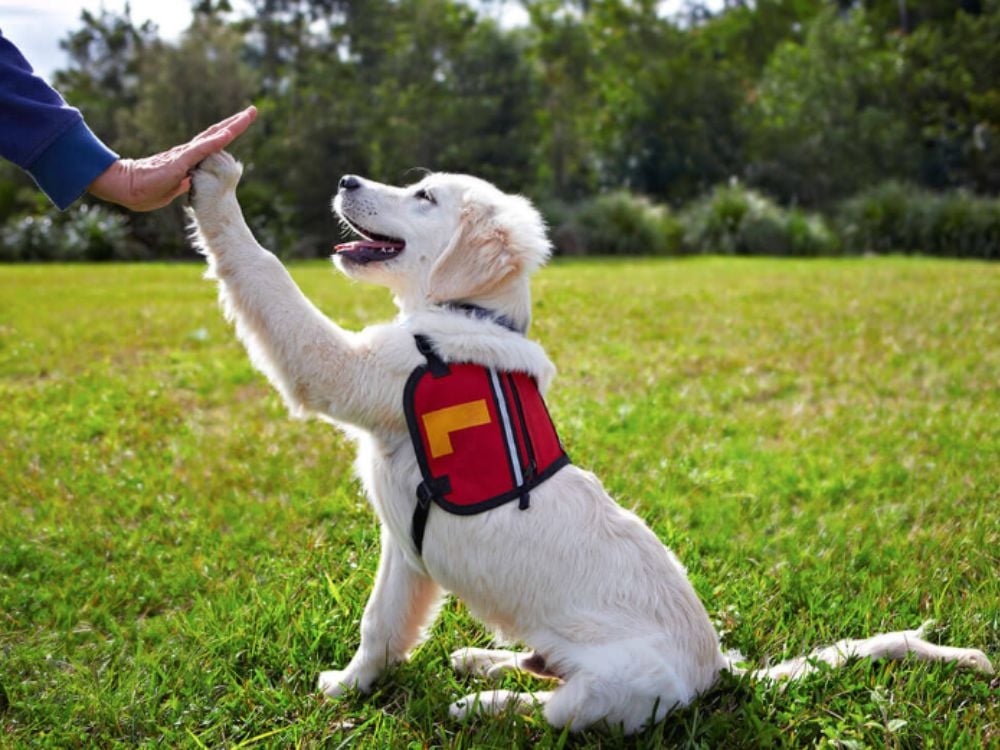
The Pet Industry College, offers a nationally recognised program designed for those who want to work in specialist assistance dog training. This course blends online study with hands-on placement, giving you the skills, confidence, and industry credibility to train dogs that support people with disabilities and transform lives.
Upon completion, you will earn a nationally recognised Certificate IV qualification, enabling you to work in animal training roles across Australia.
Complete the course over 12 months, giving you plenty of time to study at a steady, manageable pace that fits around work and life.
Study 100% online with flexible, self-paced learning, supported by experienced teachers, and expect to commit around 15-20 hours per week to stay on track.
Gain real-world experience with 80 hours of practical training. Our team will support finding a suitable work placement to complete your hands-on requirements.
We offer simple, flexible payment plans to make getting started easy. With a low upfront enrolment fee and affordable monthly payments.
You will have access to ongoing support from our teachers and trainers, to help you progress with your study and assist you with any questions you may have.
This job-ready qualification proves you can assess behaviour, build training plans, run classes, and work within welfare and safety standards. It opens doors to these roles and pathways:
Pet industry growth over the next 10 years
Average income for a qualified animal professional
Job satisfaction for animal industry workers
Jobs in Australia’s growing animal industry
The Pet Industry College has certified over 1,300 students, and currently have over 250 students studying
Get started quickly with a simple online enrolment process and flexible payment options to suit your lifestyle.
Study at your own pace through our online platform, designed to fit around your schedule while building strong foundational knowledge.
Complete 80 hours of hands-on experience in a real pet business to build confidence and skills—we organise this with our trusted partners, or you can choose your own.
Finish your qualification and step into the pet industry with the skills, confidence, and certification employers are looking for.
Start your journey today — take the next step toward a rewarding career in the animal care industry.
This course is ideal for anyone passionate about working with dogs and making a real difference in people’s lives. It’s perfect for aspiring assistance dog trainers, animal behaviour specialists, and those looking to up skill in animal training for therapy, rehabilitation, or support roles. Whether you’re starting your career or seeking to expand your expertise, this program equips you to work in specialist assistance dog training and related animal care fields.

This unique stream of the Certificate IV includes 5 specialist assistance dog training units, plus all core units from the Animal Behaviour & Training qualification.
Students will develop the ability to accurately observe, interpret, and respond to animal behaviour across a range of environments. This includes recognising body language, stress signals, social cues, and behavioural patterns in both dogs and cats. Learners will gain an understanding of why animals behave the way they do, including instinct, environment, past experiences, and breed tendencies. By the end of this module, students will be able to identify normal vs abnormal behaviour, detect early signs of anxiety or aggression, and make informed decisions that improve both safety and animal wellbeing.
Students will develop the knowledge and practical skills required to effectively support and work alongside handlers who have disabilities. This includes understanding different types of disabilities—physical, sensory, cognitive, and psychological—and how these may influence communication, training approaches, and animal handling techniques.
Learners will be trained to adapt their communication style to ensure clarity, respect, and inclusivity, while maintaining a professional and supportive environment. The module also covers how to work collaboratively with handlers to achieve training outcomes, taking into account individual needs, goals, and capabilities.
Students will gain an understanding of the role assistance and companion animals play in supporting independence and quality of life, as well as the importance of maintaining dignity, patience, and empathy in all interactions. By the end of this module, students will be equipped to confidently and respectfully engage with handlers of all abilities, ensuring safe, inclusive, and effective training experiences.
Students will learn how to train dogs to perform advanced, task-specific behaviours that go beyond basic obedience. This includes breaking down complex tasks into clear, manageable steps and using structured training techniques to build reliable, consistent performance. Learners will develop skills in shaping behaviour, chaining sequences, and reinforcing precision, ensuring dogs can complete tasks accurately in a variety of environments.
The module also covers how to tailor training methods to suit the individual dog’s temperament, motivation, and learning style, while maintaining engagement and focus throughout the process. Students will gain experience in teaching behaviours that have real-world applications, such as assistance tasks, scent work, advanced recall, and controlled responses to distractions.
By the end of this module, students will be able to design and implement detailed training plans that produce dependable, high-level outcomes, with a strong emphasis on clarity, consistency, and long-term retention of learned behaviours.
This module prepares students to confidently plan and manage group training environments. Students will learn how to structure sessions, manage multiple animals safely, and maintain control in potentially high-energy settings. Key skills include communication with pet owners, managing different behaviour levels within a group, and adapting training techniques in real time. Learners will also understand how to create a positive, engaging environment that promotes learning while ensuring safety for both animals and handlers.
Students will learn how to apply conditioning techniques to shape and reinforce positive behaviours. This includes understanding both classical and operant conditioning, and how to use rewards, timing, and consistency effectively. In addition, learners will explore enrichment strategies that stimulate animals mentally and physically, reducing boredom and behavioural issues. By the end of this section, students will be able to implement structured enrichment programs that improve quality of life, encourage natural behaviours, and support overall behavioural development.
Students will be trained in best-practice handling techniques to ensure safe and stress-free interactions with animals. This includes understanding how to approach, restrain, and move animals correctly, as well as how to respond to fearful, reactive, or aggressive behaviours. The module also covers risk assessment and incident prevention, equipping students with the skills to protect themselves, their team, and the animals in their care. Proper handling techniques are reinforced to minimise stress and build trust with animals.
This outcome provides a comprehensive understanding of animal welfare principles and how to apply them in real-world settings. Students will learn to assess an animal’s physical and emotional wellbeing, including recognising signs of stress, illness, or poor living conditions. The course covers ethical responsibilities, industry standards, and the importance of providing environments that support health, comfort, and natural behaviour. By the end of this module, students will be able to make decisions that prioritise the long-term wellbeing of animals in their care.
Students will gain practical knowledge in essential care areas that support animal health and workplace safety. This includes basic animal first aid, such as responding to injuries, emergencies, and common health issues. Learners will also understand the fundamentals of animal nutrition, including dietary needs, feeding practices, and recognising signs of poor nutrition. In addition, the module covers workplace health and safety procedures, ensuring students can operate in a professional environment while minimising risks to themselves, others, and the animals.
Start your journey with Australia’s most trusted pet education provider, where real qualifications and real support lead to real careers.
We proudly work with and are recognised by some of Australia’s leading pet businesses to deliver high-quality, real-world training. Through these partnerships, our students gain access to trusted industry environments, ensuring they graduate with the practical skills, experience, and confidence employers are looking for.





At the Pet Industry College, our team brings together extensive, real-world experience across the animal care industry. From hands-on roles in pet care businesses to years of training and education, we understand what it takes to succeed in this field.
We’re passionate about sharing our knowledge in a way that’s practical, supportive, and easy to apply. Our goal is to guide you every step of the way—so you graduate with the skills, confidence, and professionalism needed to thrive in the pet industry.



If your question isn’t answered here, please contact us
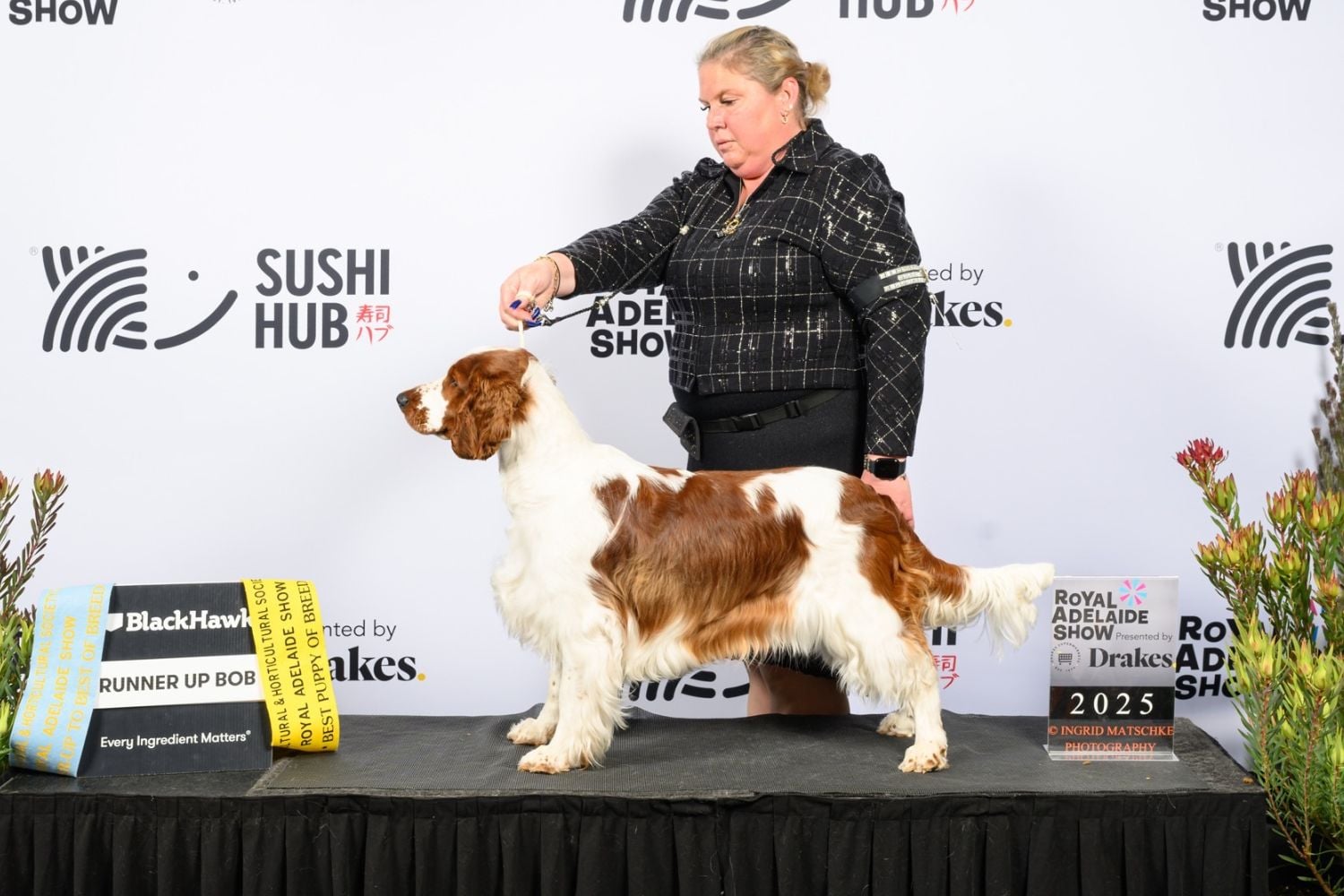
Students complete 80 hours of hands-on assistance dog training at an ADI or GHAD accredited organisation, with limited placement spots available directly at Assistance Dogs Australia’s National Training Centre in Sydney — including the opportunity to help train and care for an assistance dog puppy. Students outside Sydney can complete their hours with an approved organisation in their region. All students also complete an additional 40 hours of pet care placement to broaden their industry experience.
The course offers flexible payment options. You can choose a 12-month payment plan, which works out to approximately $391 per month, or you can pay in full upfront if you prefer. Businesses enrolling staff can also select the option that works best for them.
A nationally recognised qualification meets strict Australian training standards and is accepted across all states and territories. When you complete this course, you graduate with a Certificate IV in Animal Behaviour & Training, meaning you’re formally qualified and able to work in a wide range of animal training and behaviour roles anywhere in Australia.
The Certificate IV is designed to be completed over 14 months, with a recommended study load of around 15 hours per week. The course is self-paced and delivered online, giving you the flexibility to study around work and life commitments.
You’ll be supported by our entire team, including your trainers Gianna and Emma, who are available for guidance and feedback throughout your studies. You’ll also have access to our student support team, placement assistance, and ongoing check-ins to help you stay motivated and on track.
This is your moment to turn your passion for animals into a meaningful, long-term career. With industry-leading trainers, nationally recognised qualifications, and the full support of our team, you’ll have everything you need to take the next step with confidence.
Enrol today for just $300 and start building the future you’ve been dreaming of.
Do you have a question or want to learn more?
Enquire now and a friendly team member will be in touch shortly, or download a brochure to learn more.